
TOP-30 happiest cities in the world in 2025
Copenhagen, Zurich, Singapore and 27 other cities from different parts of the world have been included in the prestigious list of the happiest megacities in the world according to the annual Happiest Cities Index 2025. The rating is formed by the Institute for Quality of Life in London and covers more than 200 cities, evaluated on 82 parameters reflecting the quality of life.
What makes cities truly happy?
In 2025, the study was based on 6 key categories: governance, environment, economy, mobility, social indicators (including education and cultural accessibility), and – for the first time – health. The latter category includes not only physical and mental wellbeing, but also factors such as nutrition, safety and work-life balance.
The highest category of the ranking – the Gold List – brought together 31 cities that performed outstandingly in all categories. For the first time, two cities from the United States were included: New York (17th) and Minneapolis (30th). The remaining positions were occupied by cities in Europe, Asia and the South Pacific.
The top 5 leaders in 2025 are as follows:
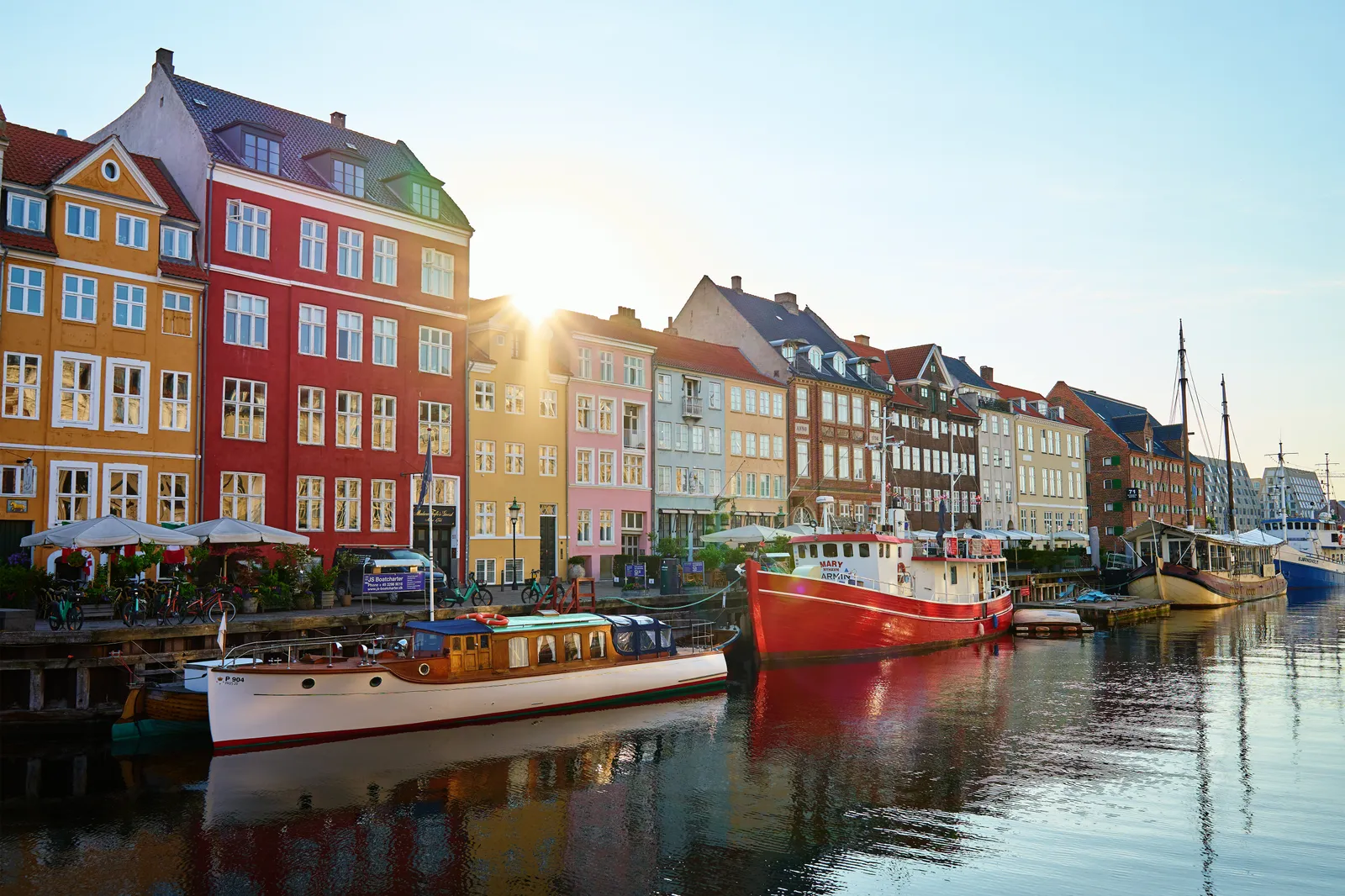
- Copenhagen, Denmark
A leader in the ranking, where high levels of education, a strong entrepreneurial culture, green mobility (69% of all trips) and prioritization of mental health are seamlessly combined. The average working week is just 37 hours and the city literally breathes clean air (PM10 – 17). Copenhagen has more than 230 registered businesses per 1000 inhabitants – one of the highest rates in Europe.
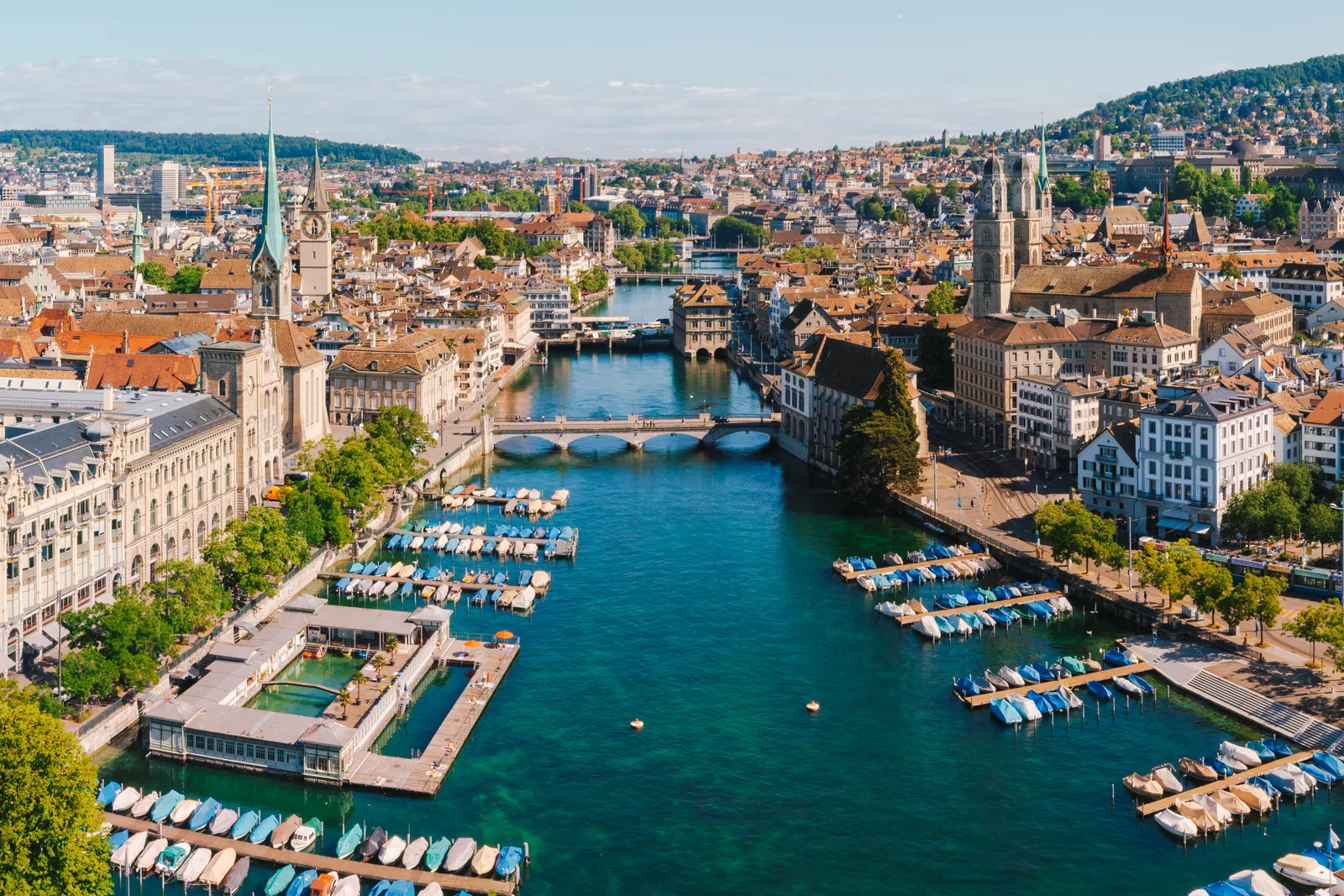
- Zurich, Switzerland
One of the world’s wealthiest cities, however, which, however, focuses not only on income, but also on access to education, health insurance, clean air and an efficient transportation system. It has one of the safest road networks in Europe, with a traffic fatality rate of just 0.07 deaths per 10,000 people. Green mobility covers 74% of all movements in the city.
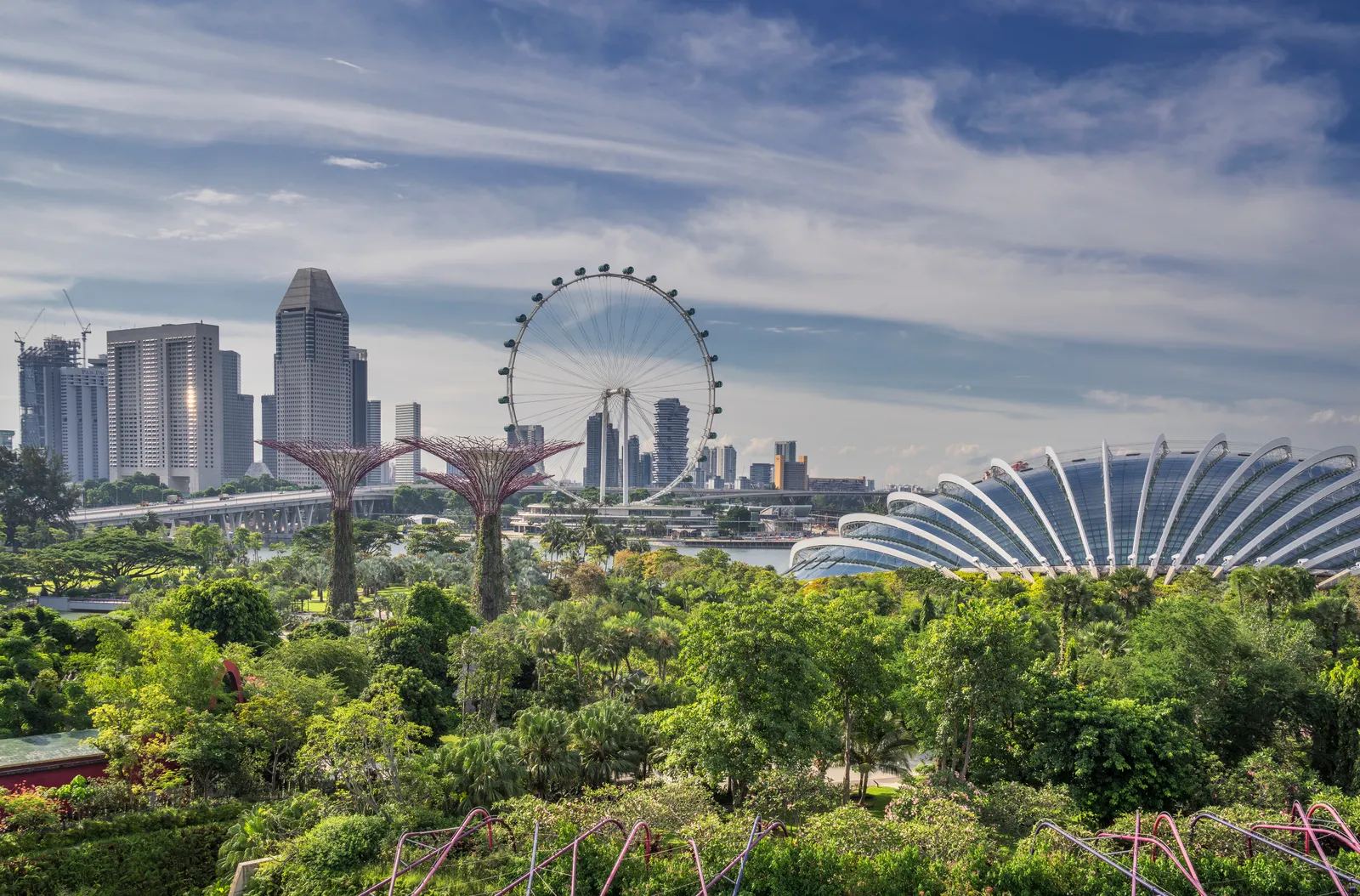
- Singapore
The epitome of sustainable urbanism: 67% of transportation is classified as green and unemployment is just 2%. The city leads the world in entrepreneurship and safety, with 15% of adults receiving regular mental health care. There are also more than 101 registered businesses per 1,000 residents, and public violence is among the lowest in the world.
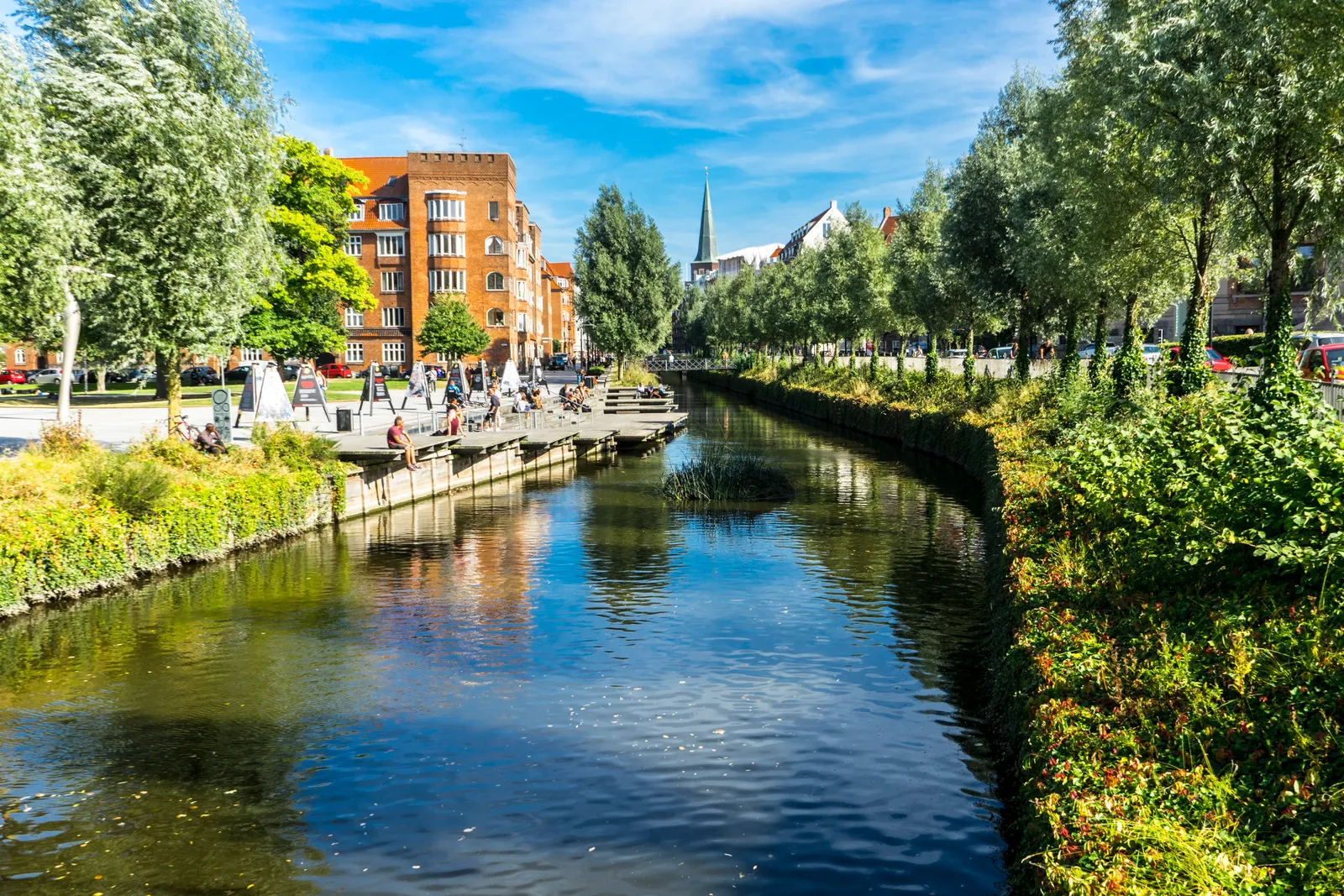
- Aarhus, Denmark
A city with a strong educational focus and high environmental awareness. The average life expectancy is 81.3 years and language proficiency among the population reaches 86%. Aarhus offers high access to nature, with an average of 1.35 parks per square kilometer, making it one of the greenest cities in the ranking.
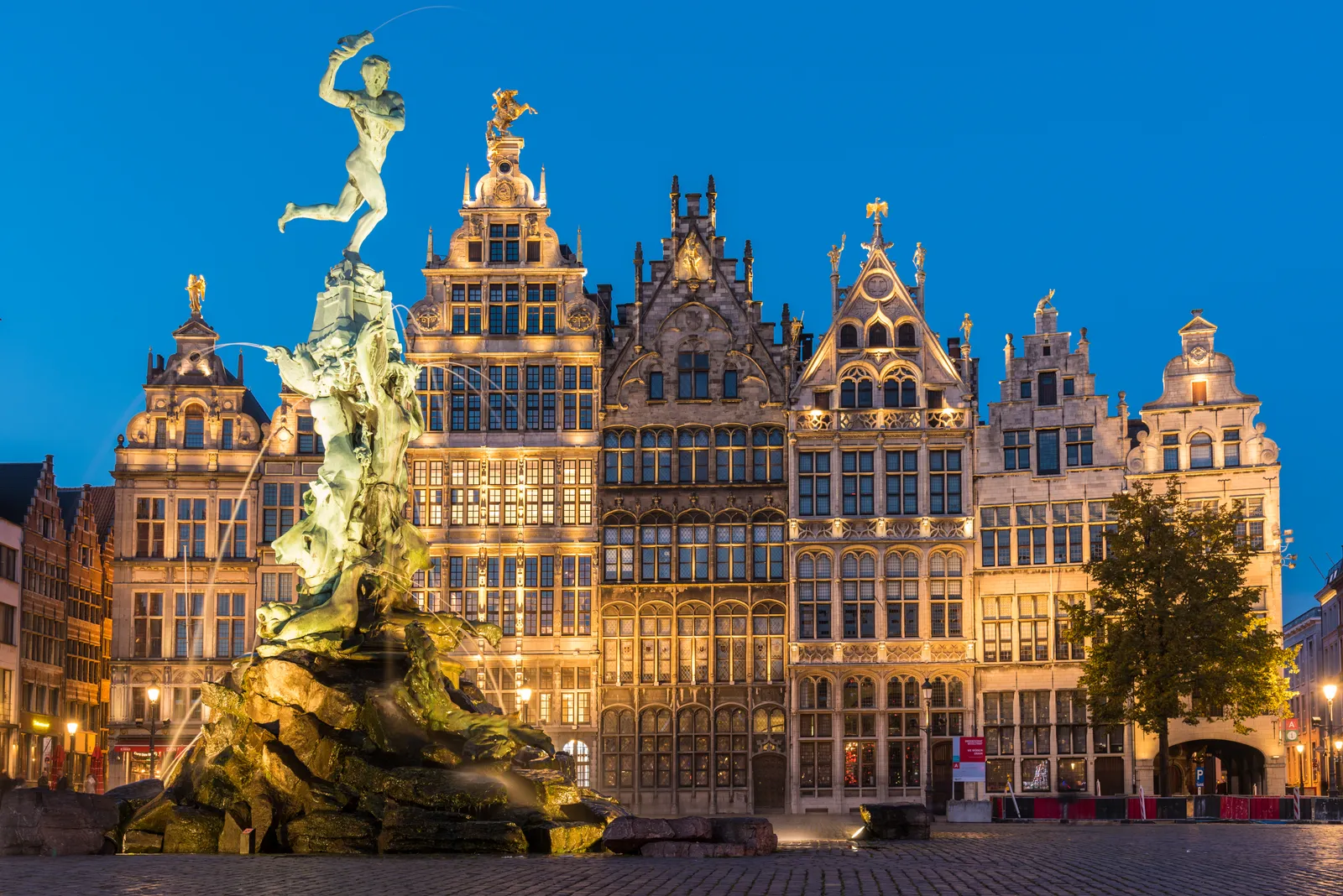
- Antwerp, Belgium
An example of a city with a developed health care system and a high level of education. Almost all residents have health insurance, and the number of doctors per capita is impressive – 6 per 1000 people. At the same time, almost a quarter of the population has a master’s degree, although the provision of green areas remains extremely low – only 0.07 parks per km².
The full list of the 30 happiest cities of 2025:
- Copenhagen — Denmark
- Zurich — Switzerland
- Singapore — Singapore
- Aarhus — Denmark
- Antwerp — Belgium
- Seoul — South Korea
- Stockholm — Sweden
- Taipei — Taiwan
- Munich — Germany
- Rotterdam — Netherlands
- Vancouver — Canada
- Vienna — Austria
- Paris — France
- Helsinki — Finland
- Aalborg — Denmark
- Berlin — Germany
- New York — USA
- Dresden — Germany
- Brussels — Belgium
- Geneva — Switzerland
- Porto — Portugal
- Barcelona — Spain
- Oslo — Norway
- Dublin — Ireland
- Milan — Italy
- Roskilde — Denmark
- Reykjavik — Iceland
- Auckland — New Zealand
- Adelaide — Australia
- Minneapolis — USA
Happiness cannot be standardized, but cities that consistently develop key areas – from health care to urban environment – achieve a tangible improvement in the quality of life. And the statistics prove it.
Source: Condé Nast Traveller
